Planning your garden is no small job. Get started with our advice and ideas for how to design and start a garden from scratch.
Garden planning: first things to consider
Planning a garden from scratch is a significant project, and a lot needs to happen at this stage – even before you get your boots dirty. It’s important to remember that your plans and your costs are closely connected: the larger and more elaborate the garden you’re creating, the higher the landscaping costs will be.
What resources you’ll need to make your garden design a reality also depends on whether you bring in professional help or do all the work yourself. Keep in mind that hiring landscape gardeners and building companies will increase costs, but will also speed up the process. We have put together some general tips and advice to help you through, whichever route you take.
Planning a year-round garden
Peak season for most gardening activity runs from spring until autumn, giving you and your garden a break over winter. However, depending on the type of garden you choose and what you grow, there will be some tasks that need to be done at specific times of year. We’ve put together a brief overview to give you an idea of what to expect.
Spring gardening
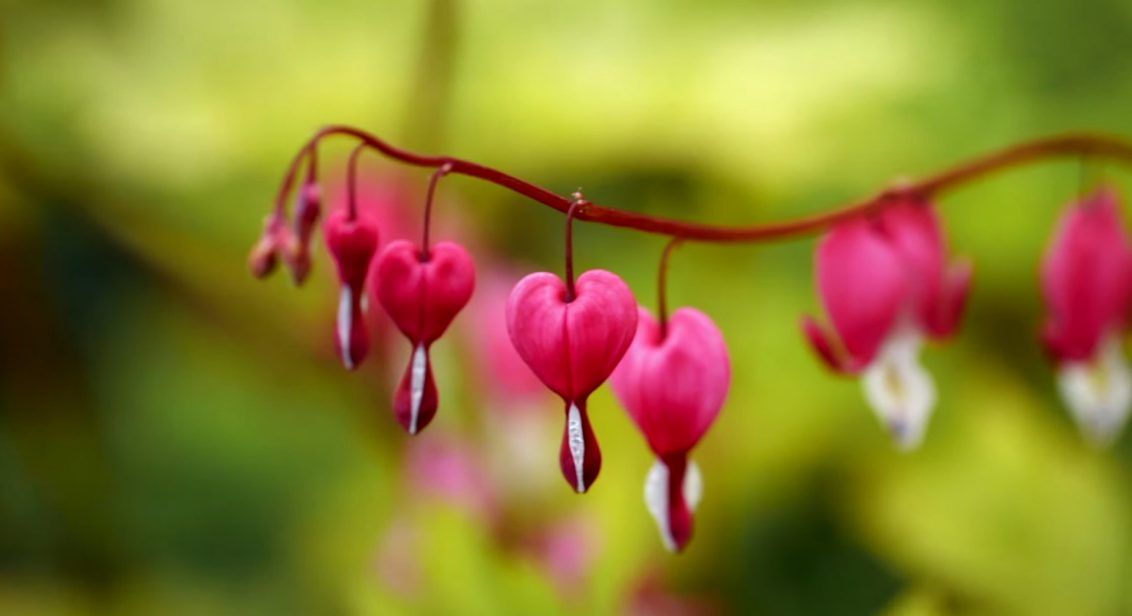
Summer gardening tips for a beautiful botanical oasis
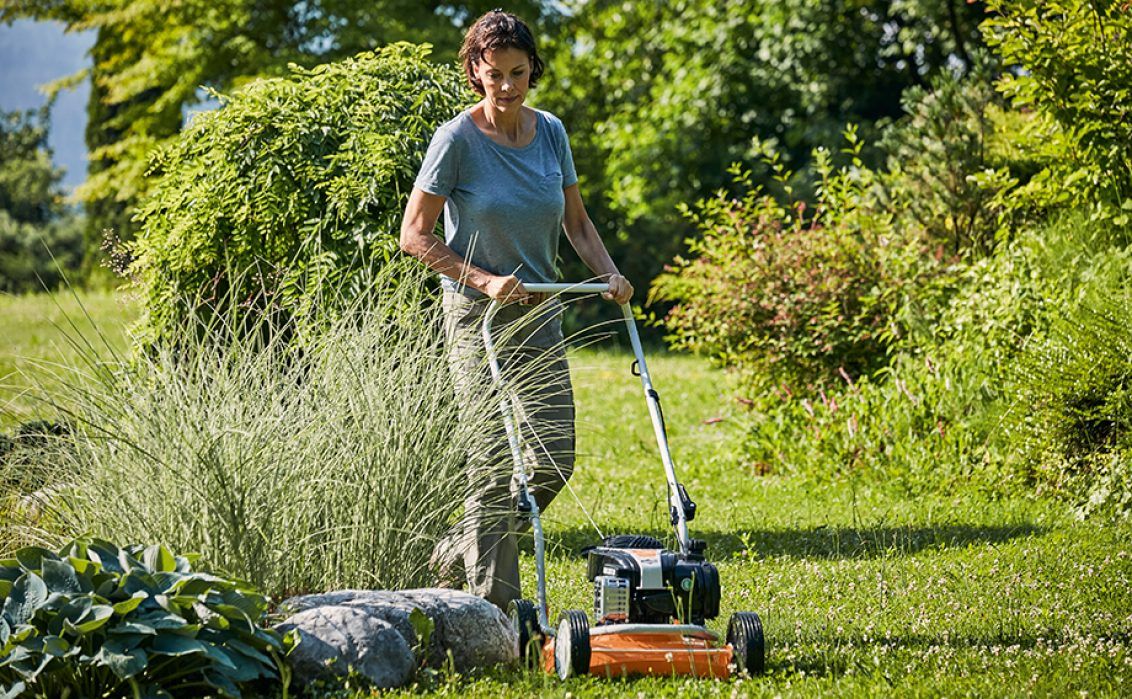
Gardening in autumn
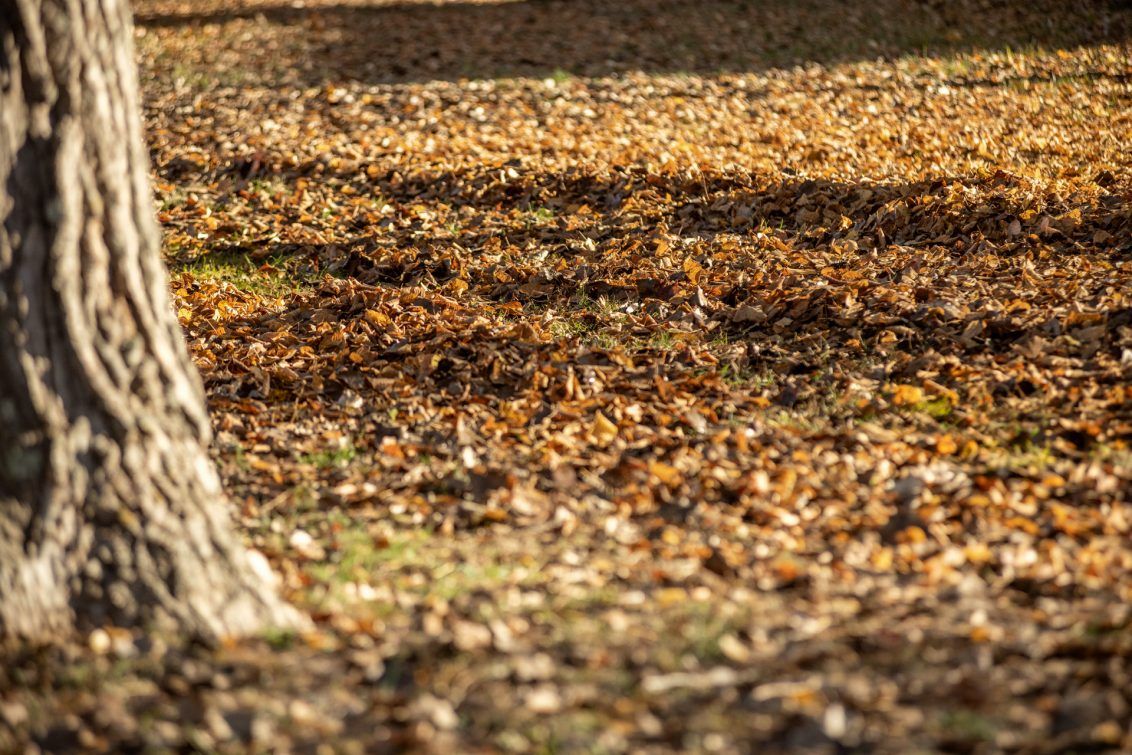
Winter gardening jobs
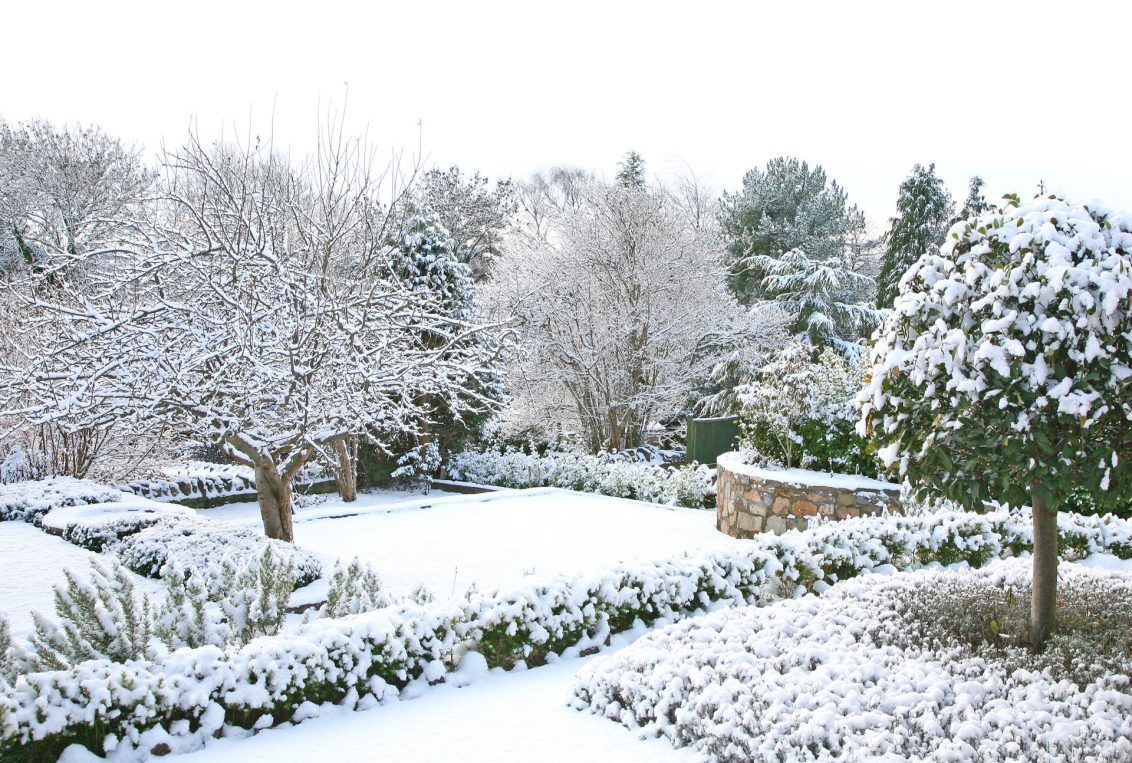
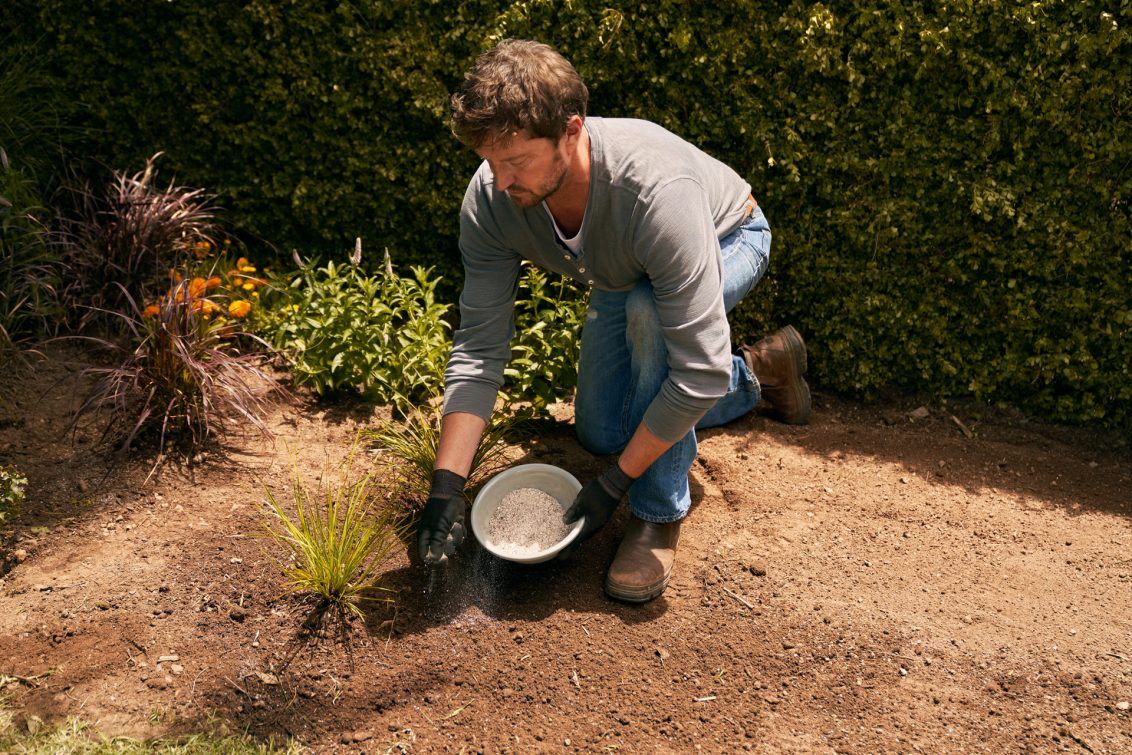
All about garden fertilisation
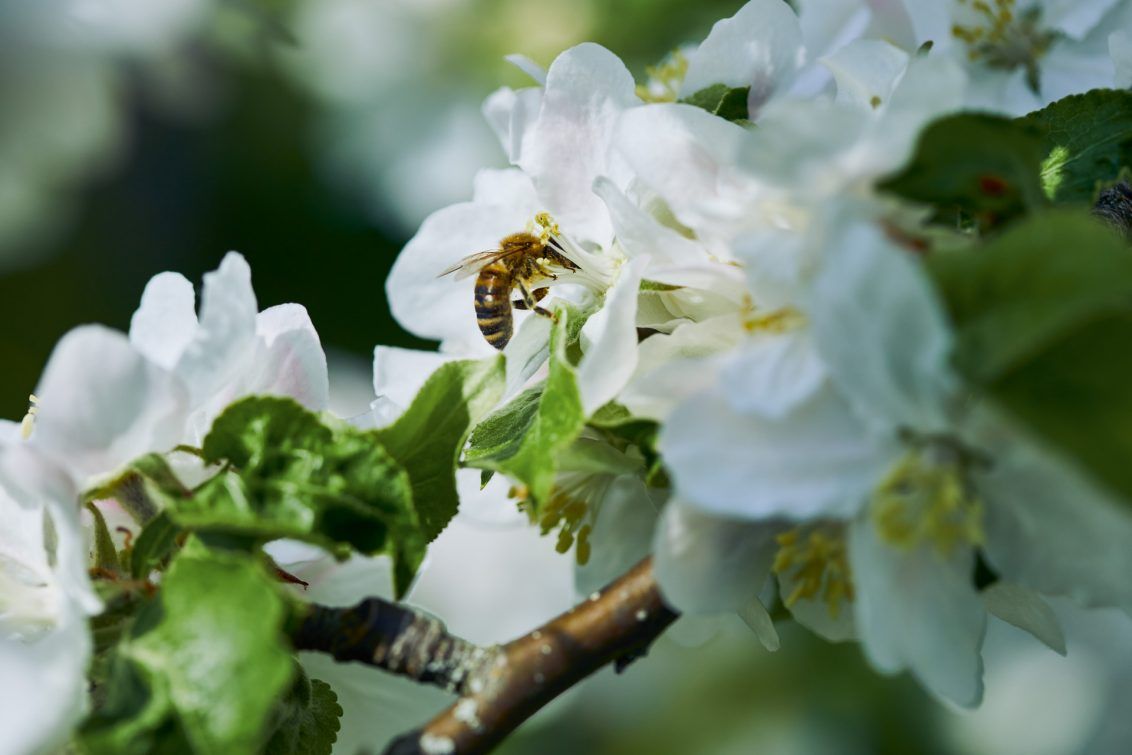
How to make your garden bee-friendly
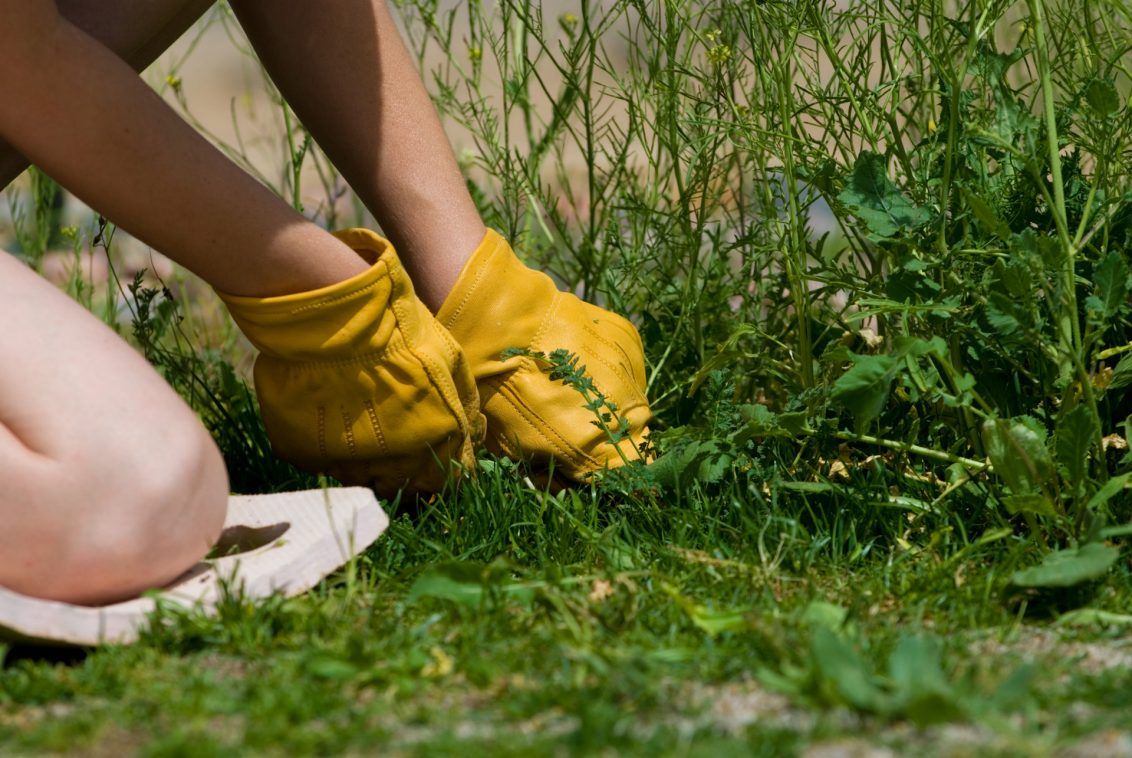
Identifying and removing weeds
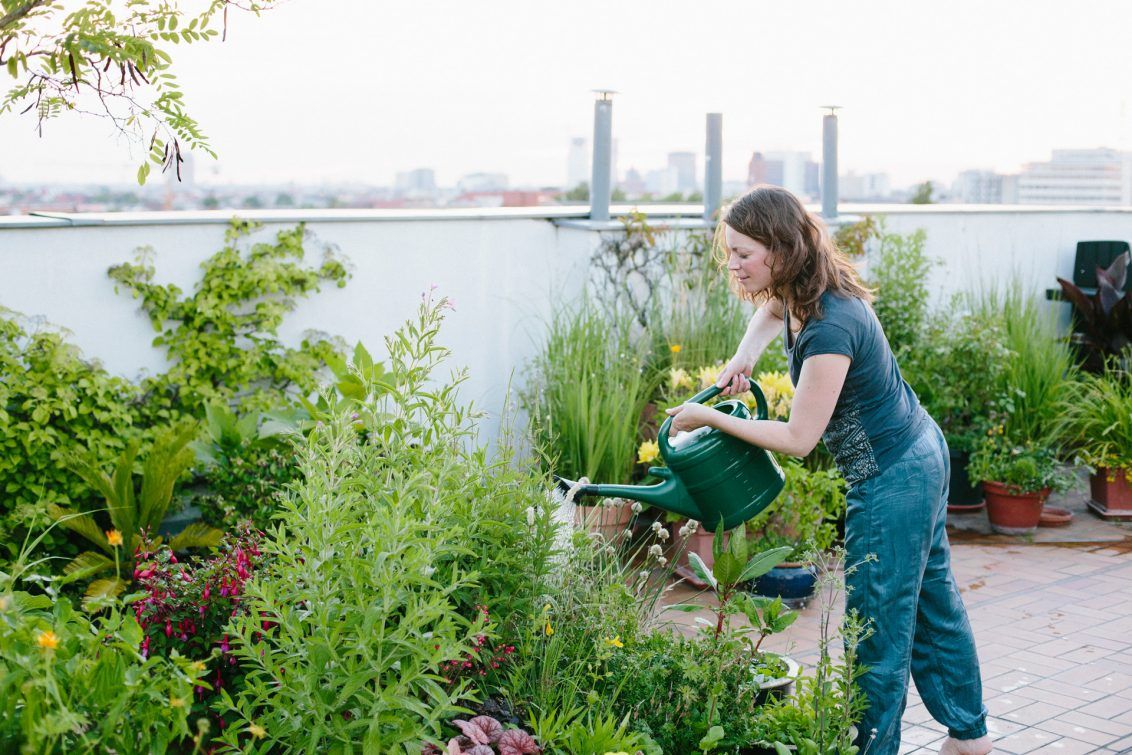
How to design and plant a roof terrace
Restoring an overgrown garden
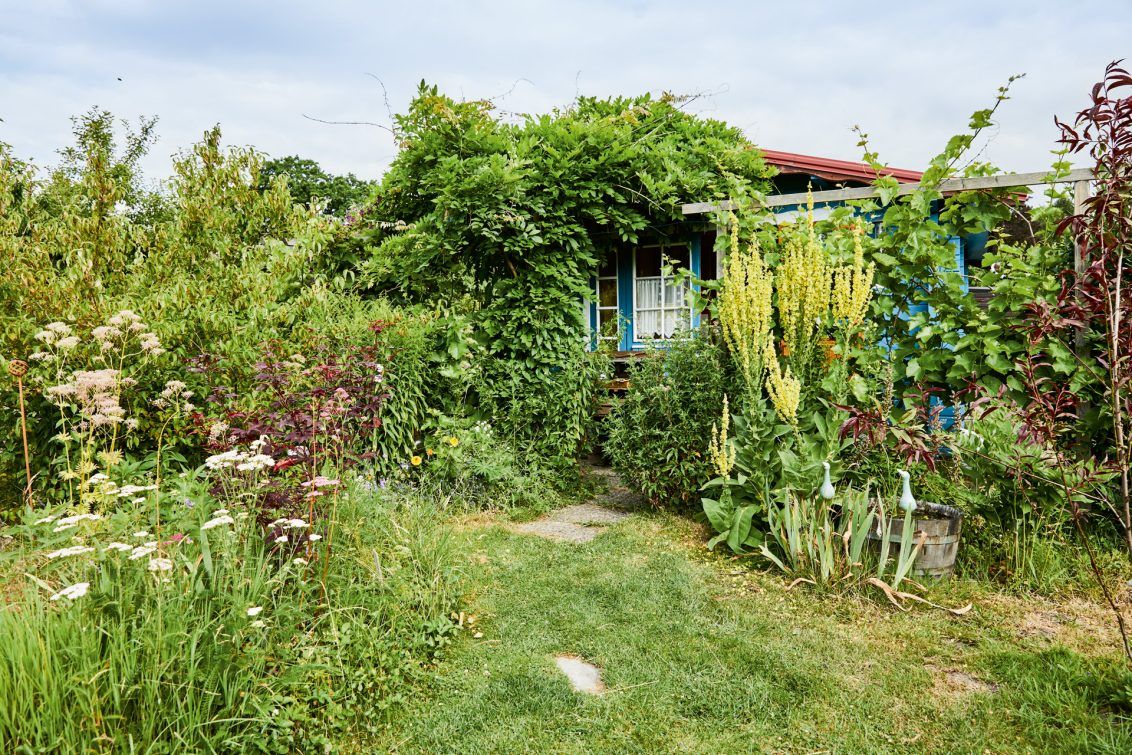
A garden that has been left to its own devices can quickly become very overgrown. The first stage of planning such a project is to take a photo of the site as it is. Decide what has to go and what could be retained and restored. Trees and hedges, in particular, are difficult to replace later on.
Designing a small garden
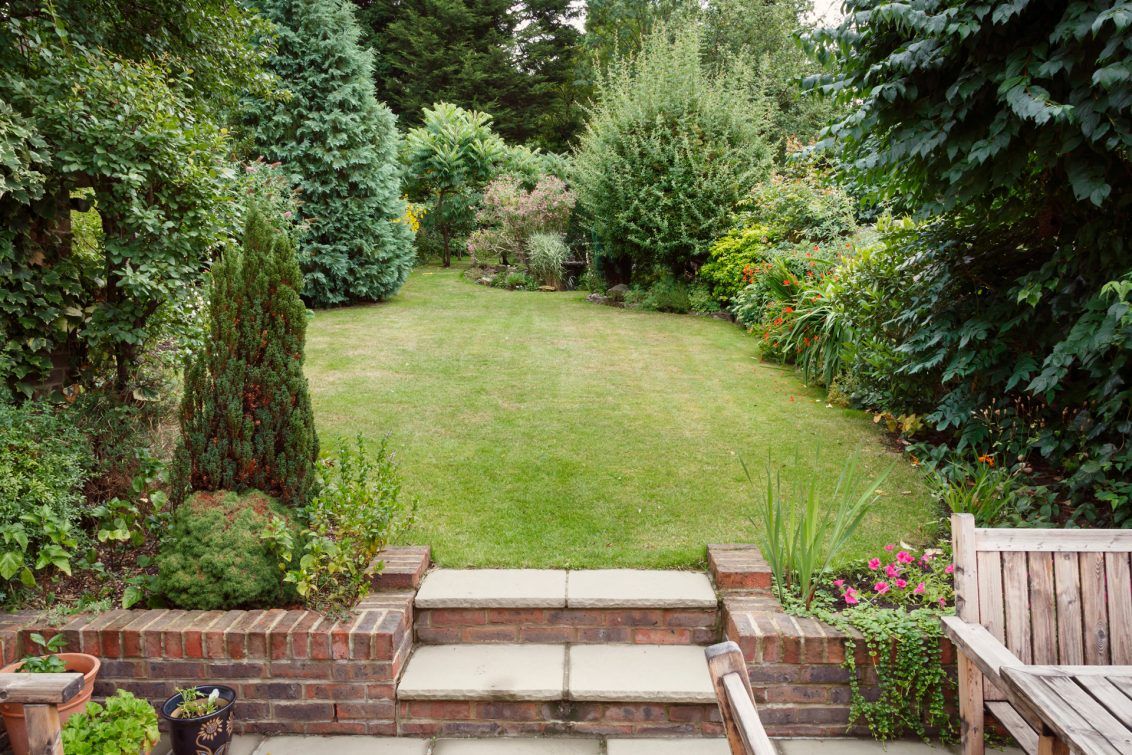
Drought tolerant plants
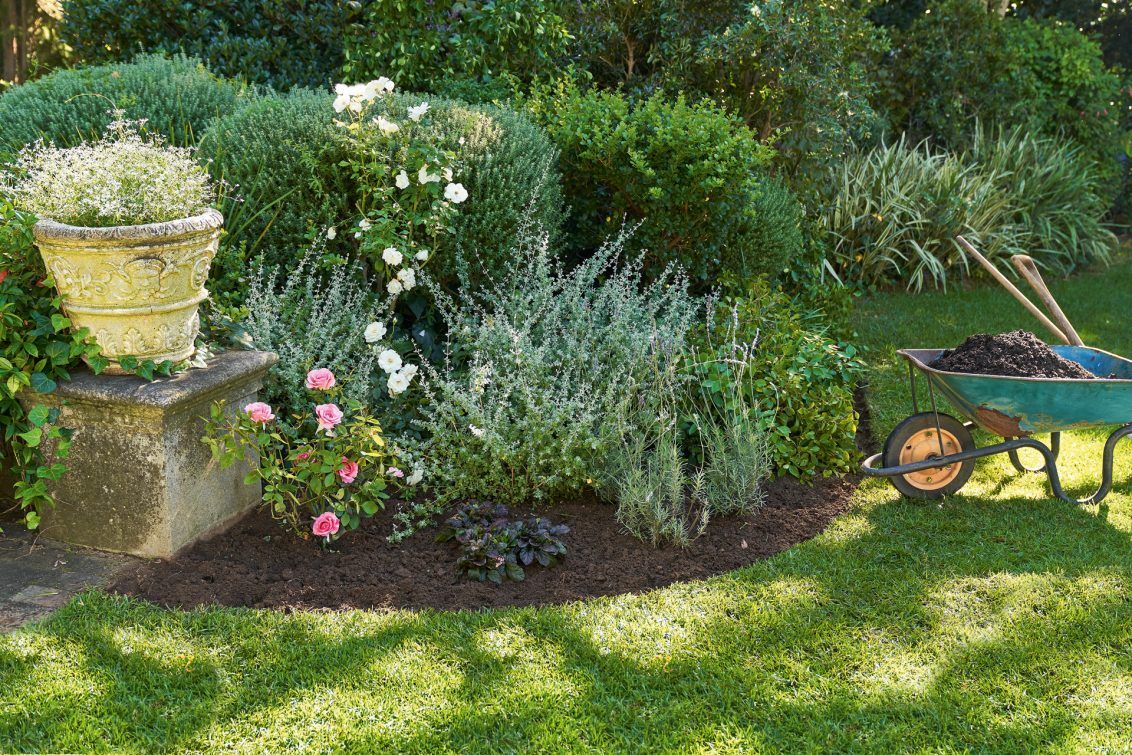
Garden planning: what type of place and planting do you want?
There are many different types of garden; consider your own preferences and how you will use the space in future. How much time can or will you invest into it? Planning a garden that features vegetables, decorative beds and fruit trees means more long-term upkeep than a large lawn with a few small beds.
If you are starting your garden design from scratch, costs are likely to be a limiting factor. And don’t forget that a garden is a long-term project which needs to be maintained every year. You might find the best option is to plant a small area of garden to start with, while planning to later expand the beds, add a pond or vegetable patch – after all, just like nature itself, gardens are always changing.
Whether you do the whole garden at once, or let the design evolve it over time, think about what you will use different areas for. What is already there on the plot? How can you make the best of it? For example, a rock garden is a low-maintenance option where you can grow wonderful alpine plants that thrive even in dry, poorly nourished soil. But if you want to grow herbs, soil condition is key so you may need to add topsoil or enrichment.
The easiest way to start planning your garden is to write all your garden ideas down on paper. A sketch is also a great way to map out your garden design. Draw the different areas and list which plants you want to grow in future. You should also think about the general growing conditions in your space: when and where is it sunny or in shade? When you start planting, all the information you need is in your sketch.
Garden planning: making plans reality
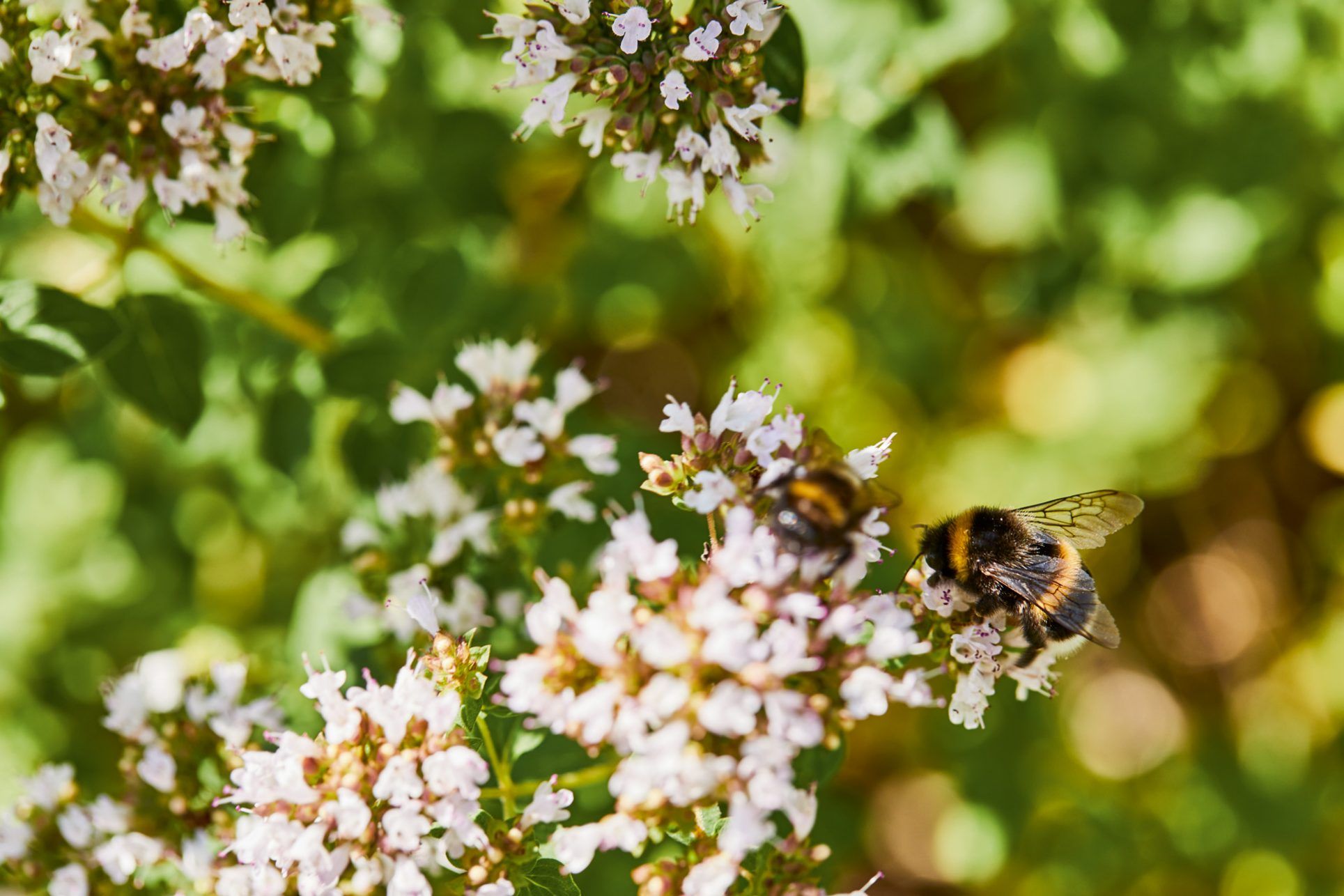
With your design decided, you can get away from the drawing board and get outside to start your garden. Make sure you have the tools and equipment you will need. Start by creating the structure of the garden based on your plans: dig beds and lay paths, plant trees, perhaps even dig out and build a pond. If you’re aiming for a productive vegetable garden but don’t have much experience, you might just start off with some herb beds and fruit bushes. Don’t forget to include a path in your design, to make spending time in your garden even more delightful.
STIHL pro tip: To save yourself some work and delight your local bees, you can add areas of low-maintenance wildflower meadow to your garden. All that’s needed is a spot with rather thin soil and a suitable seed mix that you can find in any specialist store. It won’t be long before the bees are visiting.
Summary: garden planning and design
- When planning a garden, the first thing to consider is the size of the plot.
- What type of garden do you want? This decision will determine how you need to treat and prepare the soil, as well as what to plant.
- Simple decorative flower beds need less work, while vegetable patches need more nutritious soil.
- If you are planting a new garden, you need to be patient: the process can take months, as the new soil needs to be left in peace to settle.
- When planning and designing your garden, remember that everything has a season: there will be different things at their peak and different garden jobs you need to do throughout the year.
- Even a very overgrown garden can be restored – the plants will enjoy the attention!